ONE BISON
Role UX Designer
Stage Pre-launch commerce
Focus Seller activation · Marketplace UX · Transaction design
Partners Founder · Engineering · QA
One Bison had a growing network of vetted businesses, but no infrastructure for sellers to manage products or for buyers to complete a purchase. I designed the commerce experience across seller setup, product management, discovery, checkout, and post-purchase.
FROM DIRECTORY → MARKETPLACE
→
→
→
→
→
The design challenge
How could we move businesses through this journey without creating unnecessary setup work, while giving shoppers enough trust to transact with unfamiliar sellers?
Join → Setup → Products → Orders
Approval → Listing → Transaction → Protection
Discover → Evaluate → Checkout → Track
Problem 1
What made it difficult?
WHAT WE KNEW
Sellers needed easier product entry
Manual entry still needed to exist
Shopify should be optional
CSV would support additional sellers
Sellers should choose which products to submit
We should reuse existing One Bison product patterns
WHAT WAS STILL UNCERTAIN
Final integration architecture
Some inventory-sync behavior
Variants
Multiple inventory locations
Future product-feed feasibility
Some technical connection states
I separated stable user needs from unresolved technical decisions.
Decision
NOW
→
NEXT
→
LATER
→
BLOCKED
Solution
Step 1 — Choose a method


Step 2 — Connect Shopify


Step 3 — Select products

Step 4 — Upload CSV

We could move the seller experience forward without committing to technical assumptions that were still changing.
Problem 2
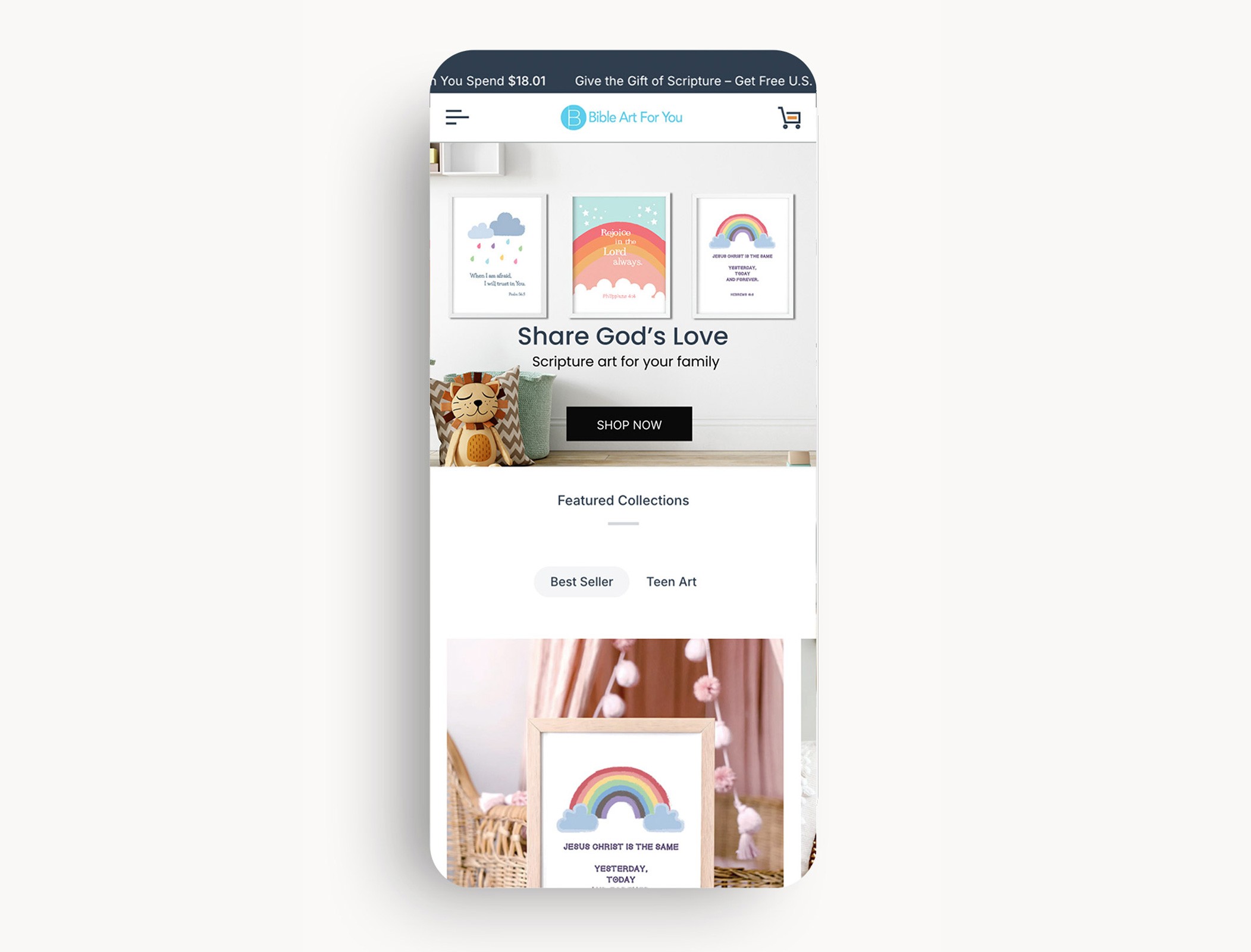
01
Live production UI

02
Older Figma designs


03
Previous developer-built pages


04
New e-commerce designs


Standardizing the experience without creating unnecessary rework
Broader status colors can help internal teams scan information quickly—as long as each color has a consistent meaning.

When the intended pattern already exists in the design system, align the implementation.

Determine whether the pattern should become part of the system or be phased out.
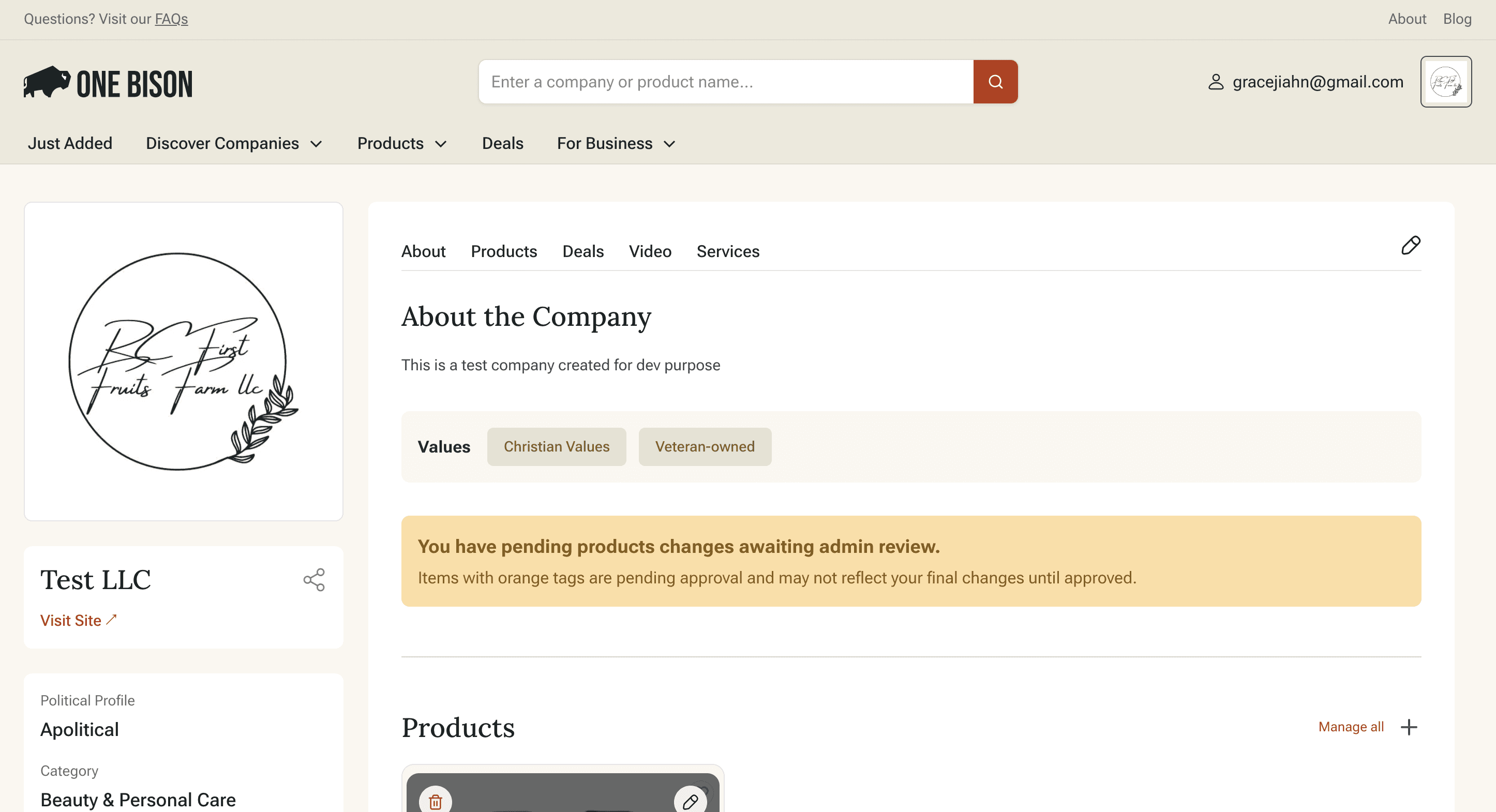
Consistency doesn’t mean making everything identical. It means making patterns intentional, predictable, and reusable.
Problem 3
Solution
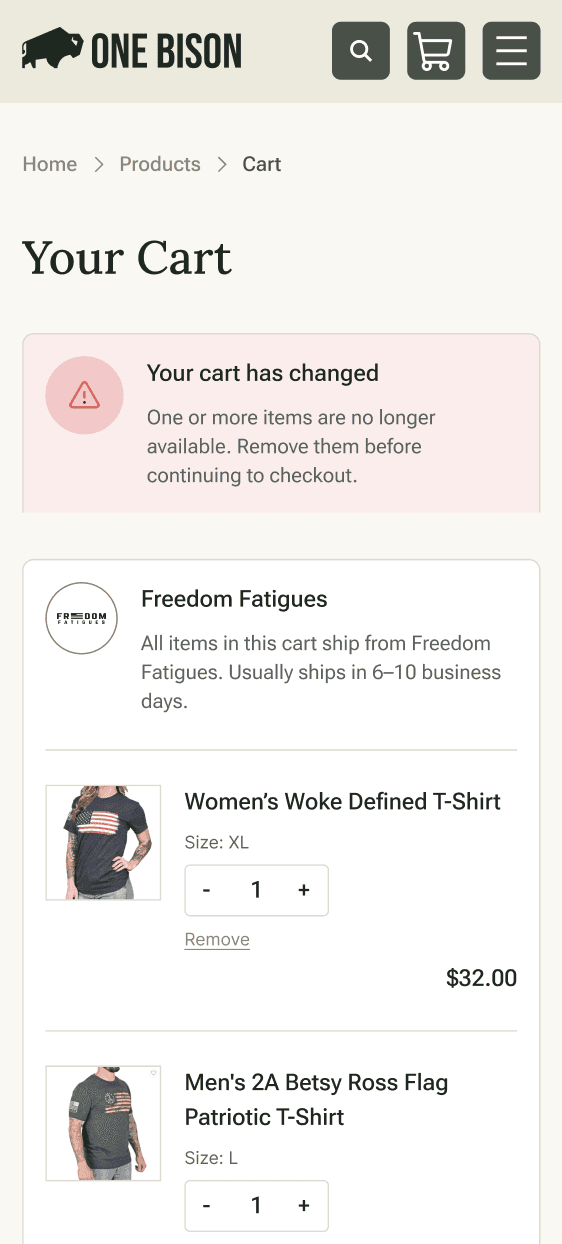
01
Cart changed

02
Seller application / incomplete status


03
Order tracking / delivery confirmation


04
Report a problem/dispute


The successful path is only one product state.
Recovery is part of the experience too.
PRE-LAUNCH MOMENTUM
What commerce success means
Seller activation → published inventory → checkout conversion → completed orders
These are pre-launch business signals, not results caused by the commerce UX. They showed that One Bison was entering launch with growing seller and buyer interest—and made activation, discovery, and transaction readiness increasingly important.
AI-assisted product listing
Intent-aware discovery
Post-purchase assistance
WHAT I'D DO DIFFERENTLY
Instrument before redesigning
I designed the signup funnel before reliable event tracking existed. Next time, I would establish baseline events before making major flow decisions so that prioritization is grounded in behavior rather than persuasion.
Design for the commerce model, not today's edge case
My first checkout assumed one seller per order. Supporting multi-seller transactions later introduces split shipping, payouts, and order-status complexity that would have been easier to model earlier.
Talk to sellers sooner
The onboarding flow relied heavily on existing team knowledge and competitive patterns. Earlier seller interviews would have helped me validate which setup fields actually created the most friction.
Next case study